METAIRIE, LA, UNITED STATES, February 27, 2026 /EINPresswire.com/ — Gold purity classifications such as 10k, 14k, 18k, 22k, and 24k are commonly referenced in fine jewelry, yet the distinctions between them are not always fully understood. These markings represent specific proportions of pure gold blended with alloy metals, and each classification influences durability, color, value, and practical application.
The “k” designation stands for karat, a unit used to measure the purity of gold. Pure gold is defined as 24 karats, meaning the metal is composed entirely of gold with no additional alloy metals. As the karat number decreases, the proportion of pure gold decreases while the proportion of alloy metals increases.
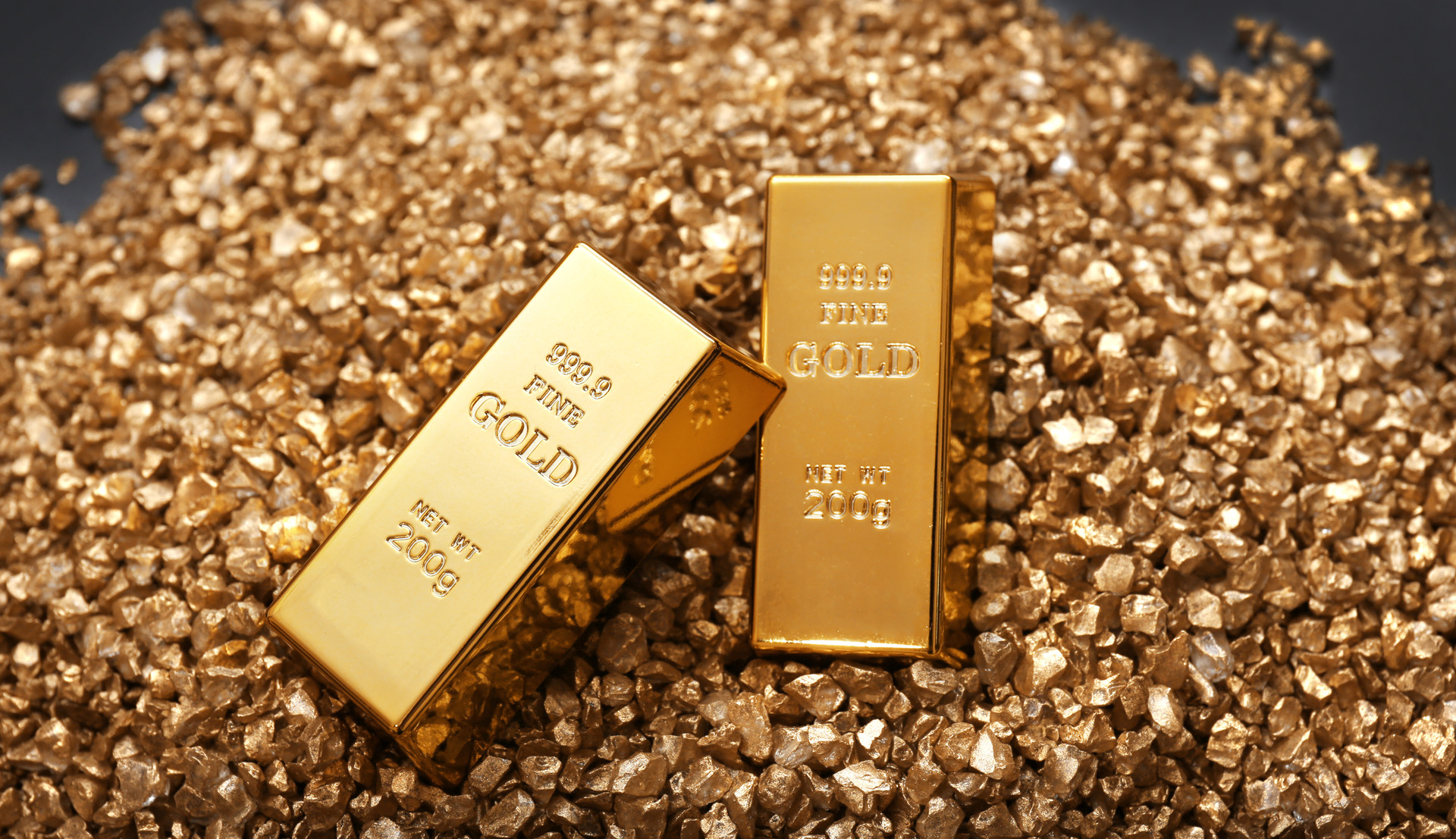
In numerical terms, 24k gold contains 99.9 percent pure gold. Because gold in its pure form is relatively soft and malleable, 24k gold is most commonly used for investment bars, bullion, and certain cultural jewelry pieces rather than everyday wearable items. Its rich yellow hue and high purity make it desirable in markets where intrinsic gold content is prioritized.
By comparison, 22k gold contains approximately 91.6 percent pure gold. The remaining percentage consists of alloy metals such as copper, silver, or zinc. This slight increase in alloy content enhances structural strength while maintaining a strong gold appearance. In some global markets, 22k jewelry remains popular for ceremonial and traditional pieces.
Eighteen-karat gold contains 75 percent pure gold and 25 percent alloy metals. This balance provides a blend of durability and high gold content, making 18k a common choice for fine jewelry, engagement rings, and luxury pieces. The higher gold percentage produces a warm color tone while offering more resilience than 22k or 24k.
Fourteen-karat gold contains approximately 58.3 percent pure gold and 41.7 percent alloy metals. In the United States, 14k gold is widely used for everyday jewelry due to its balance of durability, affordability, and visual appeal. The increased alloy content improves resistance to scratching and bending, which is particularly important for frequently worn items such as wedding bands.
Ten-karat gold contains 41.7 percent pure gold and 58.3 percent alloy metals. This classification represents the minimum gold purity legally recognized as “gold” in the United States. The higher proportion of alloy metals increases hardness and durability but produces a lighter gold tone compared to higher karat options.
“Understanding karat values helps individuals select jewelry that aligns with both aesthetic preferences and lifestyle needs,” said Ken Bowers, owner of KenWorks in Metairie, Louisiana. “Gold purity directly affects strength, color, and long-term wear characteristics.”
Alloy composition plays a significant role in final appearance. Copper alloys can enhance warmth in yellow gold, while silver and palladium contribute to white gold formulations. Rose gold is typically achieved by increasing copper content. Each variation offers distinct visual characteristics while maintaining the underlying karat purity standard.
Durability considerations often influence purchasing decisions. Higher karat gold, while richer in color, is softer and more susceptible to surface wear. Lower karat gold offers greater structural integrity for daily use. Rings, bracelets, and other high-contact pieces may benefit from lower karat options when longevity is a priority.
Value assessment also correlates with gold purity. Because 24k contains the highest percentage of gold, it generally holds the greatest intrinsic metal value by weight. However, craftsmanship, design complexity, gemstone settings, and brand recognition also contribute to overall market price in finished jewelry.
Hallmarks stamped on jewelry typically indicate karat level or gold percentage. Common markings include “10K,” “14K,” “18K,” or numerical equivalents such as “417” for 10k, “585” for 14k, and “750” for 18k. These markings provide transparency regarding metal composition.
Regional preferences influence popular karat selections. In the United States, 14k and 18k remain common choices for engagement rings and wedding bands. In parts of Asia and the Middle East, 22k and 24k gold maintain strong cultural significance. Market demand reflects both tradition and practical considerations.
Maintenance requirements vary slightly by karat level. Higher alloy content may improve scratch resistance but can also affect tarnish behavior depending on alloy composition. Routine cleaning and professional inspection support long-term appearance regardless of karat classification.
Bowers noted that education remains an essential component of the jewelry selection process. “Clarity about gold purity allows for informed decisions based on intended use, budget considerations, and aesthetic goals,” Bowers said.
As consumers evaluate fine jewelry purchases, understanding the distinctions between 10k, 14k, 18k, 22k, and 24k gold provides a foundation for comparing options. Each purity level reflects a deliberate balance between metal content, durability, and appearance.
Gold remains one of the most enduring materials in jewelry design, valued for both its intrinsic worth and symbolic significance. Awareness of purity classifications ensures that selection aligns with expectations for wearability, longevity, and overall craftsmanship.
Through informed consideration of karat standards and alloy composition, buyers can better appreciate the technical factors that influence both beauty and performance in fine jewelry.
Morgan Thomas
Rhino Digital, LLC
+1 504-875-5036
email us here
Visit us on social media:
Facebook
Legal Disclaimer:
EIN Presswire provides this news content “as is” without warranty of any kind. We do not accept any responsibility or liability
for the accuracy, content, images, videos, licenses, completeness, legality, or reliability of the information contained in this
article. If you have any complaints or copyright issues related to this article, kindly contact the author above.