How Winter Conditions Damage Chain-Link Fences and What Lytle Owners Should Check
Sugarcreek Township, United States – March 3, 2026 / Tom’ Mulch Fence & Deck /
Tom’s Mulch Warns of Winter Damage on Chain-Link Fences in Lytle
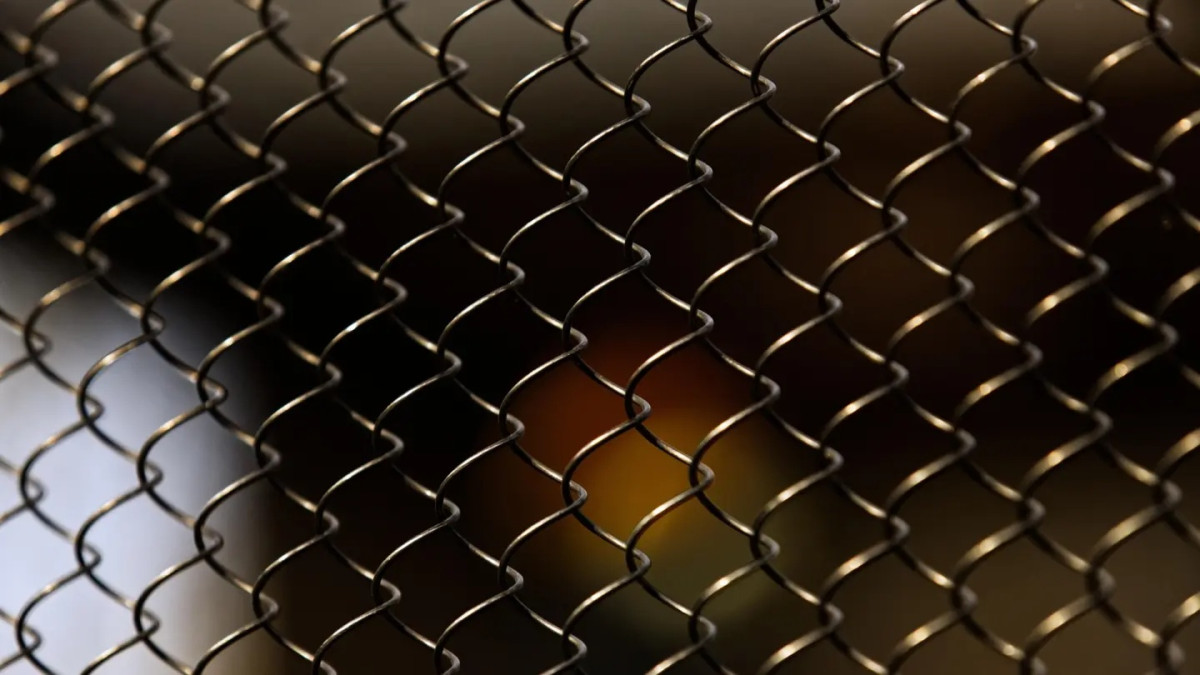
LYTLE, OH — Chain-link fences across Lytle face accelerated deterioration during Ohio winters, as freezing temperatures, ice accumulation, and ground movement stress metal components and structural connections throughout the cold season. Tom’s Mulch Fence & Deck, an outdoor construction company with over 40 years of experience and more than 3,000 completed projects, is alerting property owners to the risks that make winter chain-link fence damage assessments in Lytle critical before seasonal conditions cause lasting harm.
Ohio’s Winter Conditions Place Distinct Stress on Chain-Link Fences
Ice accumulation on mesh panels adds significant weight load to tension wire, top rails, and post connections that standard installations were not designed to carry continuously. Property owners who monitor ice buildup and address it promptly reduce the structural strain that prolonged ice loads place on fence components. Monitoring after each significant winter event gives Lytle property owners the opportunity to intervene before damaging compounds.
Ground frost penetration presents an equally serious challenge for chain-link fence post foundations in Lytle’s winter soil conditions. Frost heave pushes post bases upward as frozen ground expands, loosening concrete footings and shifting fence lines out of alignment. Posts that move during freeze cycles create tension imbalances across mesh panels that damage tie wires and rail connections before spring arrives.
Corrosion Risks That Winter Conditions Accelerate on Chain-Link Fences
De-icing products applied to adjacent driveways and sidewalks carry salt spray onto fence mesh and post surfaces, attacking the galvanized coating that protects underlying steel. Property owners in Lytle whose chain-link fences run near treated surfaces face higher corrosion rates than those in sheltered locations. Rinsing fence surfaces after salt exposure events reduces chemical contact time on protective coatings.
Scratches and abrasions in fence coatings become active corrosion sites when winter moisture contacts exposed steel beneath damaged areas. Rust that forms at these points spreads beneath the surrounding protective layer, weakening wire diameter and reducing mesh structural capacity. Inspecting for coating damage before winter and applying rust-inhibiting primer to exposed areas slows corrosion progression through the cold season.
Pre-Winter Inspection Steps That Identify Structural Vulnerabilities
A systematic pre-winter inspection with our local team gives Lytle property owners an accurate picture of where their chain-link fence requires reinforcement before freezing conditions begin. Checking tension wire tightness, top rail connections, post plumb, and tie wire integrity identifies the loosening and wear that warmer-season use introduces. Addressing these issues before ground freezing limits the access complications that mid-winter repairs present.
Gate hardware requires particular attention during pre-winter inspections because hinges, latches, and frame connections experience significant mechanical stress through the cold season. Metal gate hardware contracts in cold temperatures, reducing fit tolerance between moving parts and creating binding that damages frame connections with repeated use. Lubricating gate hinges and latches with cold-rated grease before winter improves hardware performance through Ohio’s freeze season.
Post-Winter Assessment Practices That Restore Fence Performance
Checking post plumb after frost heave season confirms whether any foundation movement requires correction before the ground dries and settles around shifted footings. Re-tensioning mesh panels that loosened during ice load periods restores the uniform appearance and structural performance of the fence line. Completing these steps promptly after the final freeze prevents warm-season use from stressing already-compromised components.
Cleaning fence surfaces after winter removes the salt residue and moisture-trapping deposits that accelerate corrosion during warmer months. Rinsing components with fresh water and inspecting for new rust formation identifies corrosion that winter conditions initiated. Treating rust spots discovered during post-winter cleaning prevents the progressive deterioration that shortens chain-link fence service life in Ohio’s variable climate.
About Tom’s Mulch Fence & Deck
Tom’s Mulch Fence & Deck serves Lytle, OH, and the surrounding region with over 40 years of experience and more than 3,000 completed projects, providing fence services and deck building guidance for Lytle homeowners planning outdoor improvements. The company installs residential, commercial, and temporary fencing, farm and ranching fencing, gate services, retaining walls, and residential and commercial decking. Tom’s Mulch offers financing, 3D design services, manufacturer warranties through Trex and TimberTech, and a limited lifetime warranty on aluminum fencing products.
Property owners in Lytle seeking chain-link fence inspections, winter damage assessments, or installation estimates can contact Tom’s Mulch Fence & Deck at (937) 426-8300 to schedule a consultation with an experienced member of the team and see how to get here.

Contact Information:
Tom’ Mulch Fence & Deck
2107 Ferry Rd, Sugarcreek Township, OH 45305
Sugarcreek Township, OH 45305
United States
Judd Powell
https://tomsmulchfencedeck.com/