Power Upgrades in Reservoir: When and Why You Need Them
Reservoir, Australia – March 16, 2026 / Greenwood Electrical Group Pty Ltd /
Power Upgrades in Reservoir: When and Why You Need Them
As homes and businesses across Reservoir continue to modernise, electrical demand has increased significantly. Appliances are larger, technology is smarter, and more households are transitioning away from gas toward fully electric living. Unfortunately, many properties—especially older homes—are still relying on electrical infrastructure designed decades ago.
At Greenwood Electrical, we regularly assist homeowners, landlords, and businesses with power upgrades in Reservoir, ensuring their electrical systems are safe, compliant, and capable of supporting modern lifestyles. As a family-owned and operated electrical contractor servicing Melbourne’s north since 1914, we understand local housing stock and the challenges it presents.
This guide explains what a power upgrade is, when and why you need one, the top 7 reasons power upgrades are required, what materials and labour are involved, and how power upgrades support EVs, solar systems, and all-electric households.
If you’re searching for a reliable electrician in Reservoir or the best electrician Reservoir homeowners trust, this article will help you make informed decisions.
What Is a Power Upgrade?
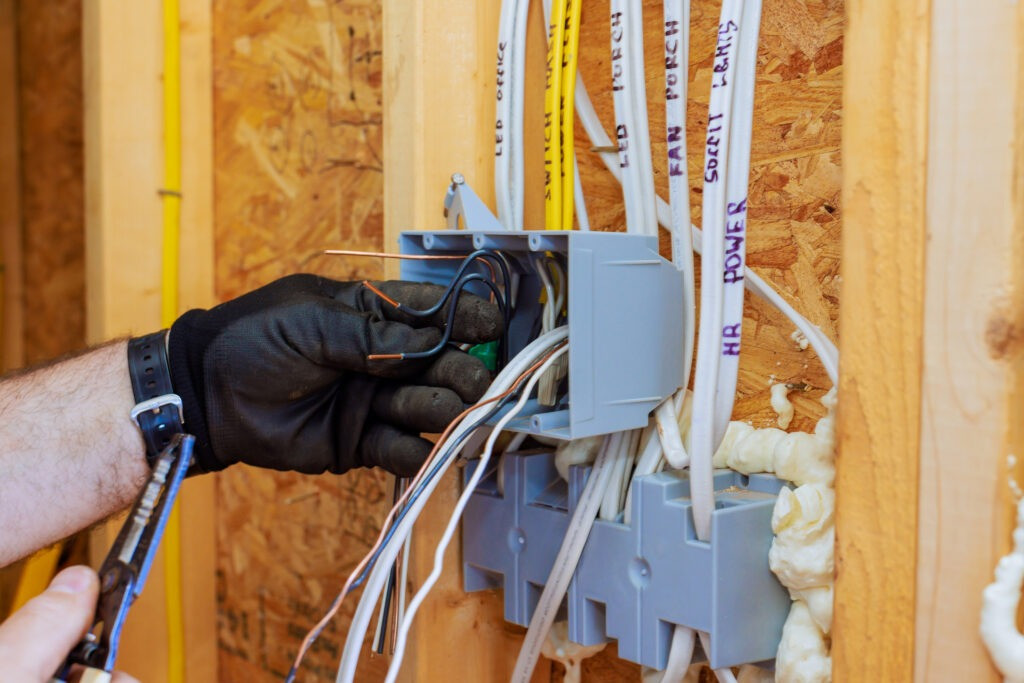
A power upgrade is the process of increasing or modernising a property’s electrical supply so it can safely, reliably, and legally support higher electrical demand. In many Reservoir homes—particularly those built before the 1990s—the original electrical infrastructure was designed for far fewer appliances and much lower loads than today’s standards require.
A power upgrade may involve improving one or more of the following critical components:
-
Consumer mains (supply cables):
These are the main cables feeding electricity from the street network into your property. Older mains are often undersized and can overheat or fail under modern loads. -
Metering equipment:
Upgrades may be required to support higher loads, solar export, EV charging, or bi-directional energy flow to and from the grid. -
Switchboard and circuit protection:
Modern switchboards include safety switches (RCDs) and circuit breakers (RCBOs) that protect people, appliances, and wiring. Many older boards simply cannot accommodate increased capacity safely. -
Wiring capacity:
Internal wiring must be capable of carrying higher current without overheating or insulation breakdown. -
Power phase upgrades:
Some properties need to upgrade from single-phase to three-phase power to support large electrical loads evenly and efficiently.
Power upgrades are commonly required when existing infrastructure can no longer safely or legally support current or future electrical demand, or when a property is being modernised, renovated, or electrified.
All power upgrades must be carried out by a licensed electrician and often require coordination with the local electricity distributor and metering provider.
What Does a Power Upgrade Typically Involve?
Depending on the property, a power upgrade may include:
-
Coordination with the electricity distributor
-
Temporary power isolation
-
New consumer mains installation
-
Switchboard replacement or upgrade
-
Meter reconfiguration
-
Testing and certification by a licensed electrician
In some cases, other trades such as builders, plasterers, or excavation contractors may be required—particularly if underground cabling or wall modifications are needed. Its recommended you talk to your licensed electrician before embarking on a power upgrade.
Top 7 Reasons You May Need a Power Upgrade in Reservoir
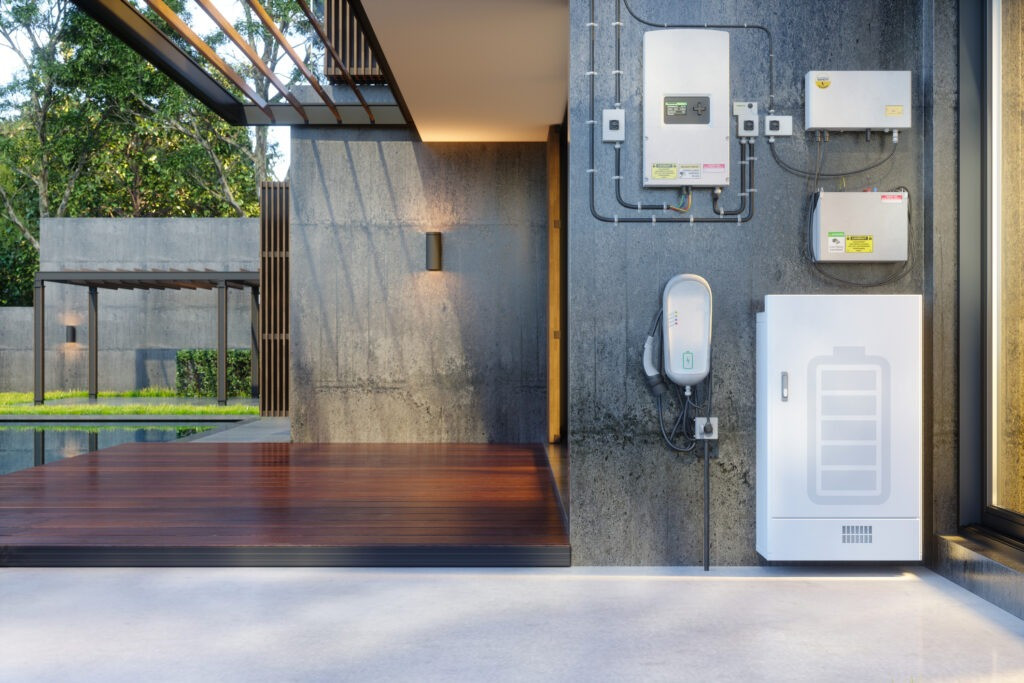
1. Transitioning to All-Electric Living
Why it’s needed:
As households move away from gas for heating, hot water, and cooking, electrical demand increases significantly. Electric heat pumps, induction cooktops, and high-efficiency hot water systems place continuous and sometimes simultaneous load on the electrical system.
Older Reservoir homes were never designed for this level of demand, increasing the risk of overloads, nuisance tripping, and unsafe operation.
Materials & labour involved:
-
Higher-capacity consumer mains
-
Switchboard upgrade with modern RCBOs
-
Additional dedicated circuits for major appliances
Related upgrades:
This transition often requires a switchboard upgrade, and in higher-demand homes, a single-phase to three-phase power upgrade may also be recommended.
2. Installing an EV Charger
Why it’s needed:
Electric vehicle chargers can draw between 7kW and 22kW, which is comparable to the total load of many older households. Without sufficient electrical capacity, charging an EV can overload circuits or cause repeated power interruptions.
Materials & labour involved:
-
Dedicated EV charging circuit
-
Load management or dynamic load control device
-
Switchboard capacity upgrade to support sustained charging loads
Relevant studies:
Energy network providers have confirmed that widespread EV adoption requires stronger household electrical connections to maintain grid stability and prevent localised outages.
3. Adding Solar Power and Battery Storage
Why it’s needed:
Solar panels export electricity back to the grid, while battery systems store and redistribute energy within the home. This creates two-way power flow, which older electrical systems are not designed to handle safely.
Materials & labour involved:
-
Bidirectional or upgraded metering
-
Solar-ready or upgraded switchboard
-
Export-limited protection and monitoring devices
Power flow impact:
Power upgrades allow safer, more efficient energy flow both to and from the grid, reducing losses and improving overall system performance.
4. Old or Undersized Consumer Mains
Why it’s needed:
Many older homes in Reservoir still rely on undersized or deteriorated consumer mains that cannot safely supply modern electrical loads. This can result in overheating, voltage drop, or failure under peak demand.
Materials & labour involved:
-
New, higher-capacity mains cabling
-
Upgraded meter panel
-
Coordination with the electricity distributor
Other trades:
In some cases, trenching, excavation, or wall access by builders may be required to safely install new mains.
5. Frequent Circuit Overloads or Power Tripping
Why it’s needed:
If circuit breakers or safety switches trip frequently, it often indicates that the electrical system is operating beyond its designed capacity rather than a simple fault.
Materials & labour involved:
-
Electrical load testing and assessment
-
Separation of overloaded circuits
-
Switchboard upgrade to balance and distribute loads correctly
Ignoring frequent tripping can lead to overheating and long-term damage to wiring and appliances.
6. Renovations or Extensions
Why it’s needed:
Home renovations often introduce additional lighting, power points, appliances, and bathrooms—each increasing overall electrical demand.
Materials & labour involved:
-
Installation of new circuits
-
Increased supply capacity
-
Updated compliance testing and certification
Related upgrades:
Renovations commonly trigger the need for rewiring and switchboard upgrades to meet current Australian standards.
7. Converting from Single-Phase to Three-Phase Power
Why it’s needed:
Three-phase power distributes electrical load more evenly and efficiently, making it essential for high-demand applications.
Materials & labour involved:
-
Three-phase supply upgrade
-
New metering equipment
-
Switchboard reconfiguration and balancing
Who needs this:
-
Workshops and garages with heavy equipment
-
Fast EV chargers
-
Some modern HVAC and air-conditioning systems
Why Power Upgrades Must Be Done by a Qualified Electrician
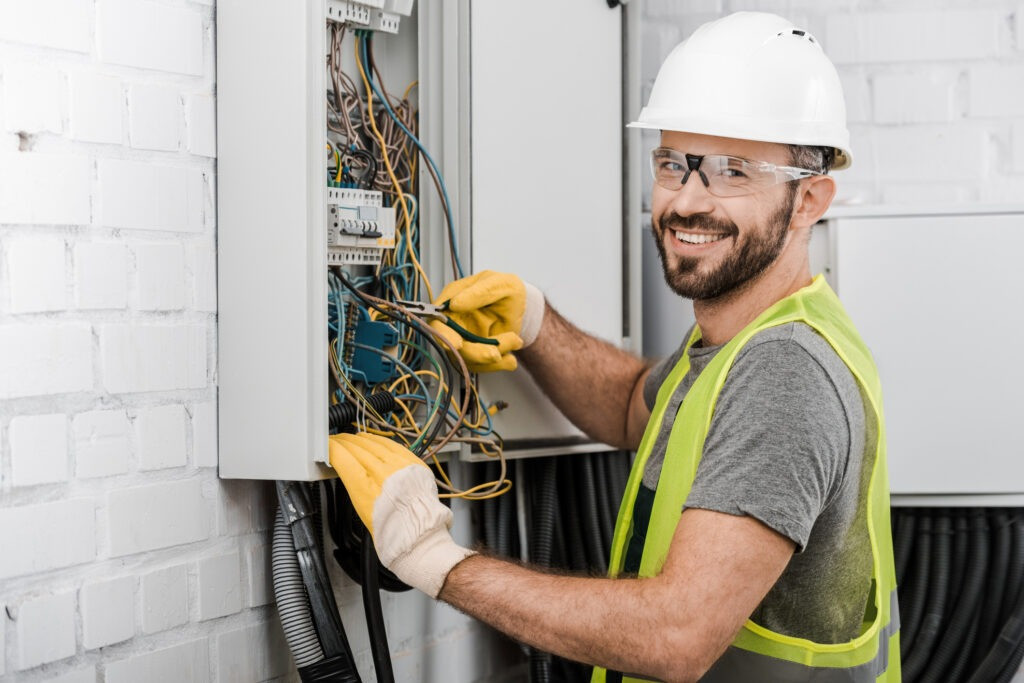
Power upgrades involve live infrastructure, regulatory approvals, and strict compliance requirements. In Victoria, this work must be completed by a licensed electrician and often coordinated with:
-
Power distributors
-
Metering providers
-
Inspectors and regulators
At Greenwood Electrical, our Reservoir electricians manage the entire process—from planning to certification—ensuring safety and compliance at every stage.
When Power Upgrades Lead to Wiring, Switchboard or Phase Upgrades
A power upgrade may reveal other limitations, including:
-
Degraded wiring insulation
-
Outdated ceramic fuse boards
-
Inadequate circuit separation
In these cases, a switchboard upgrade electrician may recommend:
-
Full switchboard replacement
-
Rewiring of critical circuits
-
Conversion to three-phase power
Benefits of Power Upgrades for Older & All-Electric Homes
-
Improved Safety – Reduced overheating, fire risk, and electrical faults.
-
Increased Energy Efficiency – Modern systems reduce voltage drop and energy losses.
-
Lower Power Bills – Efficient energy flow, solar optimisation, and load balancing can reduce consumption costs.
-
EV & Solar Readiness – Supports bi-directional energy flow and future grid participation.
-
Higher Property Value – Buyers increasingly expect modern, compliant electrical infrastructure.
Power Upgrades, EVs & the Grid: What You Should Know
As EV ownership increases, homes become both energy consumers and energy participants. Upgraded power infrastructure allows:
-
Faster EV charging
-
Better solar export control
-
Reduced peak-load strain on the grid
Studies from energy authorities show that homes with modern electrical infrastructure experience fewer outages and better energy efficiency outcomes.
Supporting Reservoir’s Electrical Upgrades
As homes across Reservoir adapt to modern electrical demands – from electric vehicles to solar systems and fully electric appliances: upgrading the electrical infrastructure of a property is becoming increasingly important.
Local providers such as Greenwood Electrical have been supporting households and businesses across Reservoir and Melbourne’s northern suburbs for more than a century. Established in 1914, the family-owned company continues to combine traditional workmanship with modern electrical expertise, delivering switchboard upgrades, power capacity improvements, and installations designed to support evolving energy needs.
For property owners planning renovations, solar installations, or EV charging systems, consulting a licensed electrician experienced in power upgrades can help ensure systems remain safe, compliant, and capable of meeting future demand.

Contact Information:
Greenwood Electrical Group Pty Ltd
Unit 5/7 Lakeside Ave
Reservoir, VIC 3073
Australia
Simon Choate
+61 3 9460 7077
https://greenwoodelectrical.net.au/